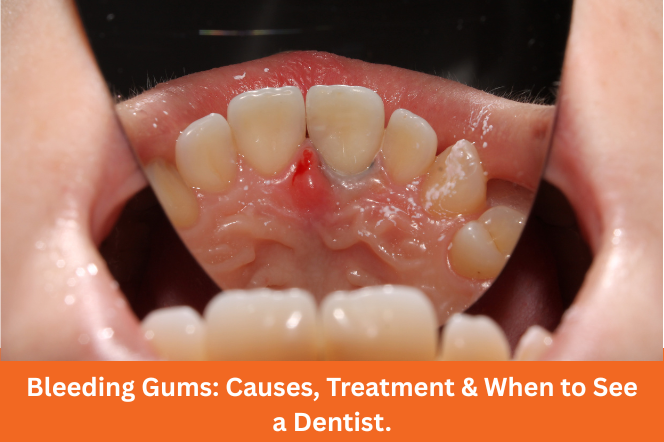
Bleeding gums are a common oral health concern that many people experience especially while brushing or flossing While occasional bleeding may seem harmless it can often be an early warning sign of underlying dental issues that require attention
Understanding the causes and seeking timely treatment can help prevent more serious complications
What Causes Bleeding Gums
Bleeding gums can occur due to a variety of reasons ranging from simple habits to more serious conditions
Poor oral hygiene Plaque buildup along the gum line is the most common cause of gum inflammation and bleeding
Gum disease gingivitis or periodontitis Early stages cause redness swelling and bleeding gums
Brushing too hard or using a hard toothbrush
Improper flossing techniques
Vitamin deficiencies such as Vitamin C or Vitamin K
Hormonal changes such as pregnancy
Medical conditions or certain medications
In many cases bleeding gums indicate inflammation caused by bacterial buildup and should not be ignored
Signs You Should Not Ignore
If you notice any of the following symptoms it may indicate a more serious issue
Frequent or persistent gum bleeding
Swollen red or tender gums
Bad breath or unpleasant taste
Receding gums or loose teeth
Persistent bleeding is often an early sign of gum disease and requires professional evaluation
Treatment Options for Bleeding Gums
Treatment depends on the underlying cause and severity of the condition
Professional Dental Cleaning
Removes plaque and tartar buildup which are the primary causes of gum inflammation
Improved Oral Hygiene
Brush twice daily with a soft bristled toothbrush
Floss regularly to remove plaque between teeth
Use an antibacterial mouthwash
Maintaining good oral hygiene can significantly reduce gum bleeding
Medications If Required
Dentists may recommend medicated mouthwashes gels or antibiotics to control infection and inflammation
Lifestyle and Dietary Changes
Increase intake of vitamins especially Vitamin C
Stay hydrated
Avoid smoking and tobacco products
Home Care Tips
While professional care is essential you can also manage mild symptoms at home
Rinse with warm saltwater
Use a soft toothbrush
Maintain a consistent oral hygiene routine
Avoid aggressive brushing
When Should You Visit a Dentist
You should consult a dentist if
Bleeding persists for more than a few days
You experience pain or swelling
There are signs of gum disease
Ignoring bleeding gums can lead to advanced gum disease which may result in tooth loss if left untreated